October 09, 2026


Ask most people what they know about their grandparents' childhoods and you will get fragments: a street name, a job, a story told once at a wedding. The details that make a life vivid — the smell of a coal fire, the name of the dog, what happened when the rent man knocked — are usually still there, waiting for someone to ask properly.
Interviewing an older relative is not about firing questions at them. It is a conversation with a purpose, and a little preparation is the difference between a warm hour of stories and twenty awkward minutes. Here is how to plan one, what to ask, and how to keep the recording clear enough to keep.
Before you set up anything, ask whether they are happy to be recorded, and say what will happen to the file. Some people freeze the moment a phone appears; others relax once they know it is for the family. Agree the basics out loud: who will hear it, whether you will share it, and that they can stop whenever they like.
It helps to say why you are asking. "I'd like the grandchildren to know what your street sounded like" lands far better than "I'm doing a family history project." If they would rather not be recorded, take notes instead and ask again in a few months. A refusal is not usually final.
Choose a time when they are fresh — mid-morning suits many older people better than late afternoon — and keep the first session to about an hour. Bring themes, not a script. Four or five headings on a sheet is plenty; sixty numbered questions will make you sound like a call centre.
You do not need expensive kit. A phone in flight mode, or a small digital recorder, will do. What matters is where it sits.
Video is lovely if they are comfortable with it, but audio usually gets more talking. People edit themselves in front of a lens.
Dates produce guesswork; place produces detail. Ask about the house they grew up in and let them walk you round it: which room was coldest, who slept where, what you could see from the back step. Neighbours, nicknames, the shop on the corner.
"Tell me about the street you grew up on. What could you hear on a Saturday morning?"
That kind of question gives them somewhere to stand, and the memories tend to lead from there. Once a street is on the table, the rest follows: the family two doors down, the dog that chased the postman, the girl who lent them a bicycle. Write those names down as they come. You can check spellings later; what you cannot do later is hear them in their voice.
Firsts and lasts are gold: first bike, first record, first night away from home, last day at school.
It usually means the question was too broad, not that they have nothing to say. Try these moves:
And remember that the first answer is often the polished one. "That was just how it was" usually means there is a better story sitting underneath.
Not everything is a warm anecdote. Poverty, evacuation, bereavement, a parent who drank — these can surface without warning, and your job in that moment is not to steer the conversation anywhere.
If a subject is genuinely off limits — a sibling who died, a marriage that ended badly — respect the boundary. Knowing a door is shut is itself family history, even if you never open it.
Alongside the stories, gather the plain facts that are painful to reconstruct later:
One session will not cover all of this. Circle back at the end: "Before we stop, can I write down a few names while you're here?"
The interview is only as useful as the file you can still find in five years' time.
Then have a cup of tea and do it again in a few months. The second interview is almost always the better one, because by then they know you are really listening.
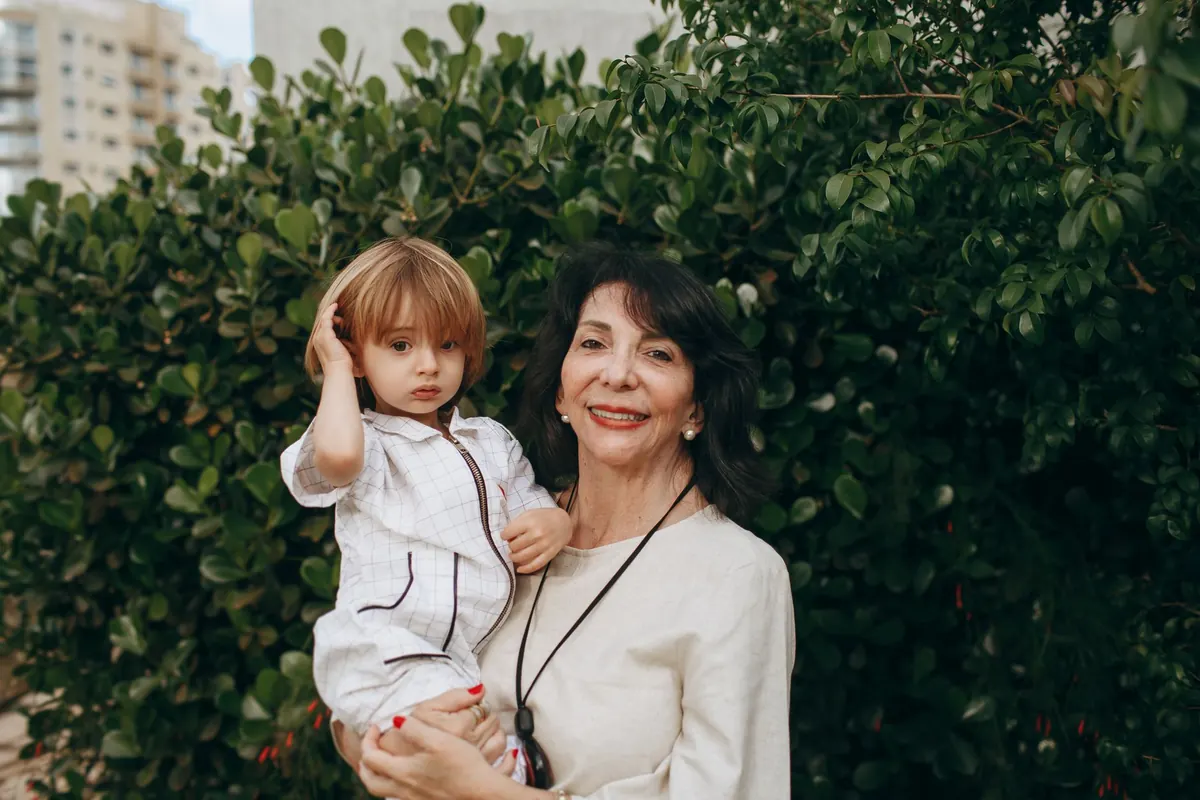
Photo: Helena Lopes / Pexels
Preserve and share your life's memories.
Copyright © 2026 Memo Lane. All rights reserved. Memo Lane.