October 09, 2026



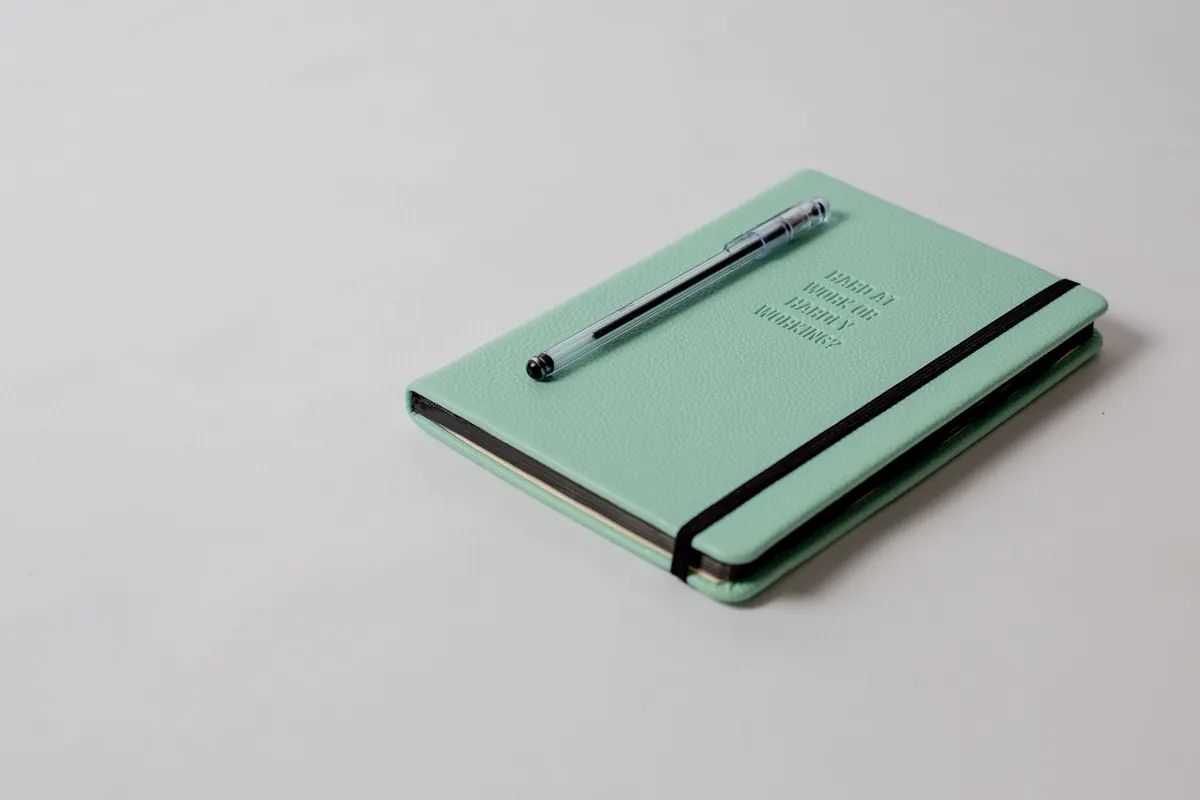
A page a day sounds manageable until about 12 January. A line a day tends to survive. If you have started a journal with good intentions and abandoned it by February, a one-line-a-day notebook may be the format that finally sticks. Each entry takes under a minute, and a year of small, specific details — the first crocuses, a wobbly tooth, the smell of the Christmas tree — adds up to something far richer than you would expect.
A blank page asks too much of you at ten o'clock at night. A single line asks almost nothing, and it removes the temptation to perform. With twenty words to play with, you write what actually happened rather than what sounds impressive.
Detail is what makes these notebooks worth keeping. "Rained all day" is forgettable. "Walked to the school gate under the big black umbrella and we were both soaked anyway" brings back the whole morning. One plain line does more work than a page of reflection.
Any notebook works, but a few small choices make the habit easier:
If a whole line still feels like too much, lower the bar to five words. Five words a day for a year is over 1,800 words about your life — more than most people write in a decade.
Pair the line with something you already do: the last cup of tea, brushing your teeth, plugging the phone in to charge. Then you are no longer relying on remembering.
Spring in Britain arrives in fits and starts, which makes it good material.
Notice that several of these are about weather and small chores. That is deliberate. The ordinary is what fades fastest, and the prompts give you somewhere to start when a big day would only produce a bland line.
Most days will not be seasonal or special, and that is exactly when a prompt earns its keep. Keep a short list at the back of the notebook for evenings when nothing comes to mind.
A line about the state of the kitchen will not read as mundane in ten years. It will read as evidence.
You do not need a special notebook, a new pen or a fresh month. Write today's date, then one sentence about today. That is the whole method.
Decide now where the notebook will live, and set a reminder on your phone for the same time each evening for the first fortnight. After that, the routine usually carries itself. Keep your seasonal prompts somewhere you can find them, and resist the urge to write well. Write plainly, write briefly, and let a year of small lines do the rest.
Come next December you will have a record no photo album can match: the weather, the half-term squabbles, the first daffodil, the last slice of Christmas cake.
Photo: Nathi Ngwenya / Pexels
Preserve and share your life's memories.
Copyright © 2026 Memo Lane. All rights reserved. Memo Lane.